
The fastest way to improve at TaleRunner is to practice one course section at a time, review repeated mistakes, and build reliable movement before chasing risky shortcuts.
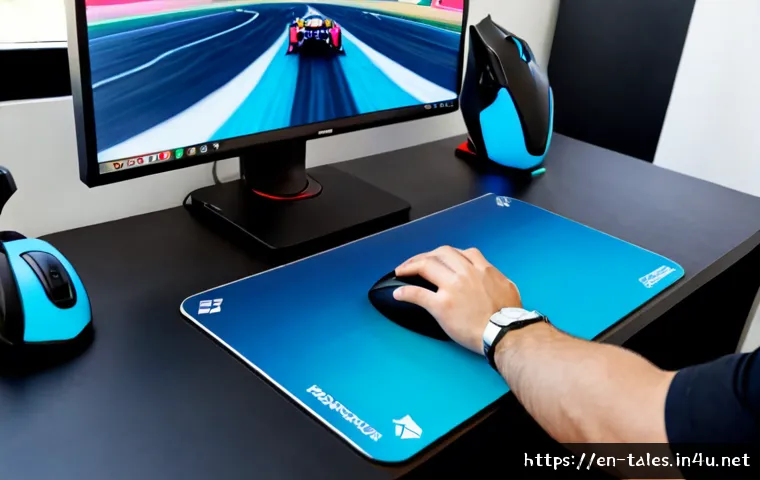
Better gear can improve comfort and input consistency, but it cannot replace route knowledge, timing, or calm race decisions. Start by identifying whether your main problem is learning the course, executing movements, or reacting during a live race.
Focused practice is usually more useful than playing random matches without a goal. If your current keyboard, mouse, or controller feels uncomfortable or inconsistent, comparing responsive input devices may be reasonable after you know what is actually limiting you.
Stable network conditions also help reduce avoidable interruptions in online races.
At a Glance
- Practice routes, timing, and race decisions separately instead of relying only on random races.
- Repeat one course section to find missed shortcuts, weak lines, and obstacle mistakes.
- Consider new gaming gear only when comfort, input consistency, or connection stability is the real bottleneck.
| What is limiting you? | Best first response | When an equipment upgrade may help |
|---|---|---|
| You do not know where to go | Practice the same course and review routes | Usually not the first priority |
| You know the route but miss jumps or obstacles | Use timing drills and repeat safe lines | Possibly, if your current input device feels uncomfortable or unreliable |
| You make different choices every race | Set a simple decision rule before racing | Usually not the main solution |
| Races feel interrupted or unstable | Check network stability and local setup conditions | Only after troubleshooting the connection issue |
The Fastest Way to Build More Consistent Race Results
The three skills that matter: course knowledge, timing, and decision-making
Strong results usually come from three repeatable skills. Course knowledge means knowing turns, obstacles, recovery areas, and possible shortcuts. Timing means performing movement sequences at the right moment. Decision-making means choosing a safe line, a risky shortcut, or a recovery option based on what is happening in the race.
Do not treat all mistakes as one problem. If you miss a turn because you forgot it, route practice helps. If you know the turn but hit the obstacle, timing practice helps. If you attempt a shortcut that fails too often, the problem may be race judgment rather than mechanical speed.
A simple 30-minute practice routine
Spend the first part of a session running one course or section with one purpose: learn the route. Then repeat a difficult obstacle or movement sequence without changing your controls. Finish with a few races where the goal is to use the same safe line consistently. This gives you a clearer result than switching courses, settings, and strategies every few minutes.
Keep the session focused. A short practice block with a specific goal is more useful than continuing after frustration makes your inputs and decisions less consistent.
What to measure after each session
Measure simple patterns rather than one race result. Ask: Did I miss the same obstacle? Did I choose the same route? Did I recover calmly after an error? Did a shortcut work reliably, or only once? A brief mistake log can reveal where your time is repeatedly lost.
Compare Practice Methods Before Spending More Time
Free racing matches vs. focused solo course practice
Free races are useful for pressure, awareness, and adapting to other players. Focused course practice is better for learning a route without constantly reacting to the race situation. Use matches to test what you have practiced, not as the only way to learn.
Route memorization drills vs. obstacle timing drills
Route drills answer, “Where should I go next?” Timing drills answer, “Can I execute this movement reliably?” Start with route memorization when a course feels unfamiliar. Move to obstacle timing after you can reach the difficult section consistently. Trying advanced lines before understanding the basic route can create confusion rather than speed.
When replay review provides more value than extra races
Replay or video review is especially useful when you cannot explain why a race went badly. Watch for missed shortcuts, inefficient lines, repeated collisions, and moments when you hesitated. One clear observation can be more valuable than several extra races played on autopilot.
Quick comparison table: time required, learning value, and best use case
| Method | Time required | Learning value | Best use case |
|---|---|---|---|
| Random races | Flexible | Race awareness and pressure handling | Testing familiar routes |
| Focused course repetition | Short, deliberate blocks | Route knowledge and safe lines | Learning an unfamiliar course |
| Obstacle timing drills | Repeated attempts | Movement consistency | Fixing one recurring execution error |
| Replay review | Brief review after races | Finding hidden repeated errors | When progress feels stalled |
Build a Repeatable Training Routine
Learn one course section at a time
Break a course into smaller sections. Learn the opening first, then the next difficult area, then connect them. This reduces the pressure of trying to remember every obstacle at once. It also makes it easier to identify exactly where a run becomes inconsistent.
Practice safe lines before attempting risky shortcuts
A shortcut is only valuable when you can use it reliably. Build a clean baseline with a safe route first. Once that route feels automatic, test a shortcut and compare its consistency. A risky option that creates frequent recovery mistakes may not be your best race choice.
Use a mistake log to find recurring time losses
Your log can be very short: course section, mistake, likely cause, and next practice goal. For example, note whether an error came from a late input, a poor line, or uncertainty about the route. Avoid vague notes such as “played badly.” Specific notes lead to specific practice.
Set one measurable goal per session
Choose one goal, such as completing a section without a collision or using one safe route throughout a race. Do not make the goal “win every race.” Winning can depend on many conditions, while a repeatable movement or route goal is under your control.
Avoid the Habits That Slow Improvement
Changing controls or sensitivity too frequently
Frequent control changes make it difficult to tell whether progress is coming from practice or from the setting change. Keep your keyboard, mouse, controller, and sensitivity settings stable long enough to evaluate them. Change one variable at a time when there is a clear comfort or consistency issue.
Chasing advanced techniques without reliable fundamentals
Advanced routes can be motivating, but they are not a substitute for clean movement. Learn the dependable route first. Then add complexity only when you can recognize the situation, execute the input, and recover if it goes wrong.
Practicing only when frustrated or fatigued

Frustration can lead to rushed inputs and poor decisions. If repeated attempts are becoming less controlled, stop and review what happened. A calm restart with one clear goal is often better than forcing more races.
Confusing one lucky race with a repeatable strategy
A fast result is useful information, but it is not proof that a route is dependable. Repeat the same choice across several attempts. If the line only works occasionally, treat it as a situational option rather than your default plan.
Adjust Your Approach for Your Current Skill Level
Beginner focus: finishing cleanly and learning core course patterns
Beginners should prioritize finishing cleanly, recognizing obstacle patterns, and using safe paths. Consistency is the foundation for later route optimization.
Intermediate focus: efficient lines and consistent recovery after mistakes
Intermediate players can refine turns, reduce hesitation, and practice recovery after a missed jump or collision. The goal is not a perfect race every time; it is reducing the cost of common errors.
Competitive focus: risk management, shortcut reliability, and race awareness
Competitive players benefit from comparing reliable lines with higher-risk options. Consider when a shortcut is worth attempting and when a stable route protects your result. Watch the race situation rather than following one plan blindly.
Returning-player focus: relearning controls before optimizing routes
Returning players should first rebuild comfort with movement and controls. Relearn familiar course patterns before changing settings or copying newer-looking routes. Familiarity can return quickly, but timing still needs repetition.
Selection Criteria and Comparison Summary
When a keyboard, mouse, or controller upgrade may be worthwhile
A gaming keyboard, mouse, or controller may be worth comparing if your current device causes discomfort, inconsistent inputs, or difficulty repeating the same movement sequence. It is less likely to help if the main issue is route knowledge or obstacle timing. Comfort and repeatability matter more than buying the most expensive option.
Comfort, reliability, compatibility, and budget checkpoints
Before buying, check whether the device feels comfortable for your grip or hand position, works with your setup, and has input behavior you can use consistently. Review compatibility details, return policies, and support information before deciding. A headset may also be useful for communication or reducing distractions, but it does not replace route practice.
When network troubleshooting is more useful than new hardware
If races frequently feel disrupted, start with network stability. A stable connection can reduce avoidable interruptions during online play. Do not assume a new mouse, keyboard, controller, or PC component will solve a connection-related issue.
A final decision checklist: practice issue, setup issue, or connection issue
Ask these questions before spending money:
- Can I describe the exact course section where I lose consistency?
- Do I know the route but struggle to repeat the required inputs comfortably?
- Have I kept my settings stable long enough to judge them fairly?
- Does the device work with my current setup and preferred control style?
- Are disruptions more likely related to network conditions than input hardware?
Compare comfort, input consistency, compatibility, and return policies before buying a keyboard, mouse, controller, headset, or networking product. Check the relevant product or service page for current compatibility and purchase conditions.
Closing Thoughts
Improving at TaleRunner is mostly about turning vague frustration into a clear practice target. Learn the route, repeat one movement problem, and test your progress in real races. Keep safe lines as your foundation, then add risk only when it becomes reliable. Equipment can support a comfortable setup, but deliberate practice remains the main driver of consistent performance.
Useful Information
1. Review a replay when you cannot explain a repeated mistake.
2. Keep one control setup stable while practicing.
3. Use a safe route as a baseline before testing shortcuts.
4. Treat clean finishes and controlled recovery as useful progress.
Important Notes
Available TaleRunner courses, modes, characters, items, balance rules, and regional features can change. The effect of a specific device, PC setup, controller, or network service depends on current settings and individual conditions. Check current game information, compatibility details, and local service terms before making a purchase or changing your setup.
Frequently Asked Questions
Q1. How long should I practice TaleRunner each day to improve?
A1. Use a focused session that gives you enough time to practice one route, one obstacle, or one race decision. A shorter session with a clear goal is often more useful than playing many unfocused races.
Q2. Is a controller better than a keyboard for TaleRunner?
A2. Neither option is automatically better. Choose the input device that feels comfortable and lets you repeat movement sequences consistently. Compatibility and your current game settings should also be checked.
Q3. Should I buy gaming gear before learning advanced routes and shortcuts?
A3. Usually, learn the basic route and safe lines first. Consider gaming gear if you identify a real comfort, consistency, or reliability problem with your current setup.